Best 5 Diets for Fatty Liver: A Comprehensive Guide to Reversing Liver Damage Naturally
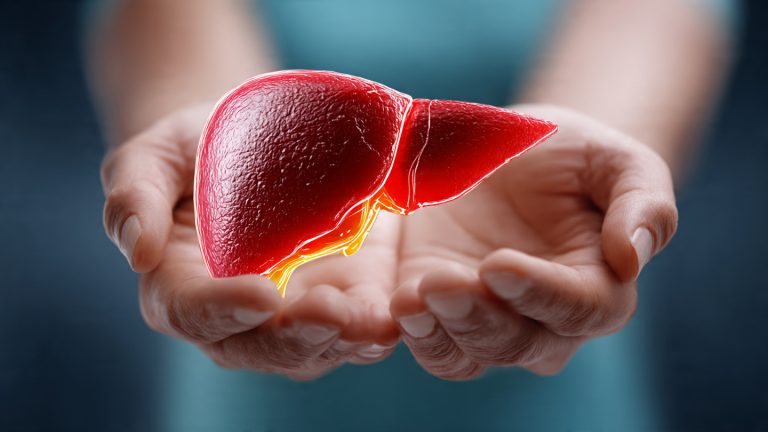
Introduction: Understanding Fatty Liver and Why Diet Matters
Fatty liver disease, also known as hepatic steatosis, affects approximately 25% of people worldwide. It occurs when excess fat builds up in liver cells, interfering with this vital organ’s ability to function properly. The good news? Diet is the most powerful tool for managing and even reversing fatty liver disease.
Whether you’ve been diagnosed with non‑alcoholic fatty liver disease (NAFLD) or alcoholic fatty liver disease, what you eat directly impacts your liver health. In this comprehensive guide, we’ll explore the five best scientifically‑backed diets for fatty liver, complete with meal ideas, foods to embrace, and foods to avoid.
What Is Fatty Liver Disease? A Quick Overview
Before diving into diets, it’s important to understand what you’re dealing with:
Types of Fatty Liver:
- NAFLD (Non‑Alcoholic Fatty Liver Disease) – Not caused by alcohol; linked to obesity, insulin resistance, and metabolic syndrome
- AFLD (Alcoholic Fatty Liver Disease) – Caused by excessive alcohol consumption
- NASH (Non‑Alcoholic Steatohepatitis) – A more severe form involving liver inflammation and damage
Common Symptoms:
- Fatigue and weakness
- Unexplained weight loss or appetite loss
- Pain in upper right abdomen
- Elevated liver enzymes (detected through blood tests)
- In advanced cases: jaundice, swelling, confusion
The liver is remarkably resilient. With the right dietary changes, many people can significantly reduce liver fat and inflammation within weeks.
Diet #1: Mediterranean Diet – The Gold Standard for Liver Health
The Mediterranean diet consistently ranks as one of the healthiest eating patterns worldwide, and it’s particularly effective for fatty liver.
Why It Works for Fatty Liver:
- Rich in monounsaturated fats (olive oil, nuts) that reduce liver fat
- High in antioxidants from fruits and vegetables that combat inflammation
- Contains fiber‑rich foods that improve insulin sensitivity
- Limits red meat and processed foods that stress the liver
Key Components:
- Base meals on: Vegetables, fruits, whole grains, legumes, nuts, seeds
- Healthy fats: Extra virgin olive oil as primary fat source
- Protein: Fish and seafood at least twice weekly; moderate poultry, eggs, dairy
- Limited: Red meat (few times monthly), sweets, processed foods
Sample One‑Day Mediterranean Meal Plan:

| Meal | Foods |
|---|---|
| Breakfast | Greek yogurt with berries, walnuts, and drizzle of honey |
| Lunch | Quinoa salad with chickpeas, cucumber, tomatoes, feta, olives |
| Snack | Apple slices with almond butter |
| Dinner | Grilled salmon with roasted vegetables (zucchini, bell peppers) and brown rice |
| Evening | Herbal tea (chamomile or mint) |
Foods to Avoid:
- Sugary beverages and sweets
- Refined grains (white bread, white pasta)
- Processed meats (sausages, bacon)
- Trans fats (fried foods, commercial baked goods)
Scientific Backing: A 2020 study in Nutrients found that NAFLD patients following a Mediterranean diet for 12 weeks showed significant reductions in liver fat and improved insulin sensitivity compared to a low‑fat control group.
Diet #2: Low‑Carb / Ketogenic Diet – Rapid Fat Reduction

Low‑carbohydrate diets, including the ketogenic diet, force the body to burn fat for fuel instead of glucose. This can lead to rapid reduction of liver fat.
Why It Works for Fatty Liver:
- Drastically reduces carbohydrate intake, lowering insulin levels
- Insulin is a key hormone that promotes fat storage in the liver
- Promotes ketosis – a metabolic state where the liver breaks down fat
- Often leads to weight loss, which directly reduces liver fat
Key Components:
- Very low carbs: Typically 20‑50g net carbs daily
- Moderate protein: Adequate to maintain muscle mass
- High healthy fats: Avocados, olive oil, coconut oil, nuts, seeds
- Non‑starchy vegetables: Leafy greens, broccoli, cauliflower, zucchini
Foods to Emphasize:
- Proteins: Eggs, fatty fish, chicken, beef, lamb
- Fats: Olive oil, coconut oil, butter, avocado, nuts
- Vegetables: Spinach, kale, lettuce, cucumber, celery, asparagus
- Berries: Small amounts (raspberries, blackberries) in moderation
Foods to Strictly Avoid:
- All grains (wheat, rice, corn, oats)
- Sugary foods and drinks
- Most fruits (except small berries)
- Starchy vegetables (potatoes, carrots, peas)
- Legumes (beans, lentils)
Potential Concerns:
- Rapid initial weight loss may temporarily increase uric acid (gout risk)
- Not suitable for everyone (pregnancy, certain medical conditions)
- Consult healthcare provider before starting strict keto
Scientific Backing: A 2019 study in Clinical Gastroenterology and Hepatology demonstrated that a low‑carbohydrate diet significantly reduced liver fat in NAFLD patients, often within 2‑4 weeks.
Diet #3: DASH Diet – Designed for Blood Pressure, Great for Liver

The DASH (Dietary Approaches to Stop Hypertension) diet was originally developed to lower blood pressure, but its emphasis on whole foods and limited saturated fat makes it excellent for fatty liver.
Why It Works for Fatty Liver:
- Low in saturated fat and cholesterol, reducing liver stress
- High in fiber from fruits, vegetables, and whole grains
- Rich in potassium, magnesium, and calcium – minerals that support liver function
- Limits sodium, which helps reduce fluid retention and inflammation
Key Components:
- Vegetables and fruits: 4‑5 servings each daily
- Whole grains: 6‑8 servings daily
- Lean proteins: Fish, poultry, beans – up to 6 servings daily
- Low‑fat dairy: 2‑3 servings daily
- Limited: Red meat, sweets, added fats (to 2‑3 teaspoons oil daily)
Sample DASH Meal Plan for Liver Health:
| Meal | Foods |
|---|---|
| Breakfast | Oatmeal with sliced banana and low‑fat milk |
| Lunch | Turkey and avocado wrap with whole wheat tortilla, side salad |
| Snack | Carrot sticks with hummus |
| Dinner | Baked cod with quinoa and steamed broccoli |
| Dessert | Fresh fruit salad |
Foods to Limit:
- Red meat (beef, pork, lamb) – maximum 1‑2 times weekly
- Full‑fat dairy products
- Salty snacks and processed foods
- Sugary beverages and desserts
Scientific Backing: Research published in Hepatology found that NAFLD patients following the DASH diet experienced significant reductions in liver enzymes and improved insulin resistance compared to control groups.
Diet #4: Plant‑Based / Vegan Diet – Eliminating Harmful Fats
A well‑planned plant‑based diet eliminates many of the foods that contribute to fatty liver, including animal fats and cholesterol. It’s naturally low in saturated fat and high in protective nutrients.
Why It Works for Fatty Liver:
- Zero cholesterol from animal products
- Low in saturated fat, reducing liver fat accumulation
- High in fiber, which binds to bile acids and helps excrete excess fat
- Rich in antioxidants from fruits and vegetables that combat inflammation
Key Components:
- All plant foods: Vegetables, fruits, whole grains, legumes, nuts, seeds
- No animal products: Meat, poultry, fish, dairy, eggs, honey
- Emphasis on whole foods, not processed vegan alternatives
Foods to Emphasize:
- Leafy greens: Spinach, kale, collards, Swiss chard
- Cruciferous vegetables: Broccoli, cauliflower, Brussels sprouts, cabbage
- Berries and citrus: High in vitamin C and antioxidants
- Legumes: Lentils, chickpeas, black beans, kidney beans
- Whole grains: Quinoa, brown rice, oats, barley
- Nuts and seeds: Walnuts, flaxseeds, chia seeds, hemp seeds
Sample Plant‑Based Meal Plan:
| Meal | Foods |
|---|---|
| Breakfast | Smoothie with spinach, banana, berries, flaxseeds, oat milk |
| Lunch | Lentil soup with whole grain bread and side salad |
| Snack | Handful of almonds and an orange |
| Dinner | Chickpea curry with brown rice and steamed broccoli |
| Evening | Chamomile tea |
Important Considerations:
- Ensure adequate vitamin B12 supplementation (essential for vegans)
- Include iron‑rich foods (legumes, dark leafy greens) with vitamin C for absorption
- Monitor protein intake – combine different plant proteins throughout the day
Scientific Backing: A 2021 meta‑analysis in Nutrients concluded that plant‑based diets are associated with lower risk of NAFLD and improved liver enzyme levels.
Diet #5: Low Glycemic Index Diet – Stabilizing Insulin for Liver Health
The glycemic index (GI) ranks foods based on how quickly they raise blood sugar. A low‑GI diet focuses on foods that cause slow, steady rises in blood sugar, which helps control insulin levels – a key factor in fatty liver development.
Why It Works for Fatty Liver:
- Prevents insulin spikes, reducing fat storage signals to the liver
- Promotes stable energy levels, reducing cravings for sugary foods
- Encourages fiber‑rich foods that support liver detoxification
- Often leads to gradual weight loss, which directly reduces liver fat
Key Components:
- Low‑GI carbohydrates: Whole grains, legumes, most vegetables, most fruits
- Adequate protein: Helps stabilize blood sugar
- Healthy fats: Further slow carbohydrate absorption
- Limited high‑GI foods: White bread, sugary cereals, potatoes, watermelon, dates
Glycemic Index Guidelines:
| GI Category | Examples | Frequency |
|---|---|---|
| Low GI (55 or less) | Oats, barley, lentils, chickpeas, apples, berries, yogurt | Base of diet |
| Medium GI (56‑69) | Brown rice, whole wheat bread, popcorn, pineapple | Moderate |
| **High GI (70+) ** | White bread, corn flakes, instant potatoes, watermelon | Avoid or rare |
Sample Low‑GI Meal Plan:
| Meal | Foods |
|---|---|
| Breakfast | Steel‑cut oats with berries and cinnamon |
| Lunch | Quinoa bowl with roasted vegetables, chickpeas, tahini dressing |
| Snack | Greek yogurt with sliced pear |
| Dinner | Grilled chicken with lentil salad and sautéed spinach |
| Evening | Herbal tea |
Foods to Avoid:
- Sugary cereals and instant oatmeal
- White bread, white rice, white pasta
- Sugary drinks and fruit juices
- Candy, cookies, cakes
- Starchy vegetables (limit potatoes, corn)
Scientific Backing: Studies show that low‑GI diets improve insulin sensitivity and reduce liver fat in NAFLD patients, often within 8‑12 weeks.
Comparison Table: 5 Diets for Fatty Liver
| Diet | Key Focus | Best For | Difficulty | Speed of Results |
|---|---|---|---|---|
| Mediterranean | Healthy fats, whole foods | Long‑term sustainability | Easy | Moderate (weeks) |
| Low‑Carb/Keto | Very low carbs | Rapid weight loss | Moderate | Fast (days‑weeks) |
| DASH | Low sodium, whole foods | Blood pressure + liver | Easy | Moderate |
| Plant‑Based | No animal products | Ethical + health | Moderate | Moderate‑slow |
| Low‑GI | Stable blood sugar | Insulin resistance | Easy | Moderate |
Foods to Include in ANY Fatty Liver Diet (The Universal “Yes” List)
Regardless of which diet you choose, these foods are universally beneficial:
- Coffee – Multiple studies show 2‑3 cups daily reduces liver fibrosis
- Green tea – Rich in catechins that reduce liver fat
- Olive oil – Extra virgin, anti‑inflammatory
- Leafy greens – Spinach, kale, collards (protect against fat buildup)
- Fatty fish – Salmon, sardines, mackerel (omega‑3s reduce liver fat)
- Nuts – Especially walnuts (high in omega‑3s and antioxidants)
- Turmeric – Contains curcumin, powerful anti‑inflammatory
- Garlic – Helps reduce body weight and liver fat
- Avocados – Rich in healthy fats and fiber
- Berries – High in antioxidants that protect liver cells
Foods to Avoid on ANY Fatty Liver Diet (The Universal “No” List)
These foods stress the liver and should be eliminated or strictly limited:
- Added sugars – Soda, candy, baked goods, sweetened yogurt
- High‑fructose corn syrup – Especially harmful to liver
- Refined carbohydrates – White bread, white rice, pasta
- Trans fats – Fried foods, commercial baked goods, margarine
- Excessive alcohol – Even small amounts can worsen AFLD
- Processed meats – Bacon, sausage, deli meats
- Red meat (excessive) – Limit to occasional
- Salted snacks – High sodium increases inflammation
Lifestyle Tips to Maximize Diet Benefits
Diet alone works best when combined with healthy lifestyle habits:
Exercise Regularly
- Aim for 150 minutes moderate activity weekly
- Include both cardio (walking, swimming) and strength training
- Exercise improves insulin sensitivity and burns liver fat
Maintain Healthy Weight
- Even 5‑10% weight loss significantly reduces liver fat
- Avoid crash diets – slow, steady weight loss is best
Stay Hydrated
- Water helps liver flush toxins
- Aim for 8‑10 cups daily
- Replace sugary drinks with water or herbal tea
Get Adequate Sleep
- Poor sleep increases insulin resistance
- Aim for 7‑9 hours nightly
Manage Stress
- Chronic stress raises cortisol, promoting fat storage
- Try meditation, deep breathing, or gentle yoga
Sample 7‑Day Fatty Liver Meal Plan (Mediterranean Style)
| Day | Breakfast | Lunch | Dinner | Snack |
|---|---|---|---|---|
| Monday | Greek yogurt + berries + walnuts | Quinoa salad with chickpeas, cucumber, feta | Grilled salmon + roasted vegetables + brown rice | Apple + almonds |
| Tuesday | Oatmeal with cinnamon + sliced banana | Lentil soup + whole grain bread | Chicken breast + sautéed spinach + sweet potato | Carrot sticks + hummus |
| Wednesday | Scrambled eggs with spinach + tomatoes | Tuna salad (with olive oil) + mixed greens | Baked cod + quinoa + steamed broccoli | Greek yogurt + berries |
| Thursday | Smoothie (spinach, berries, flaxseeds, oat milk) | Chickpea and vegetable wrap | Turkey meatballs + zucchini noodles + marinara | Handful walnuts + orange |
| Friday | Whole grain toast + avocado + poached egg | Mediterranean bowl (brown rice, hummus, veggies, olives) | Grilled shrimp + asparagus + wild rice | Pear + pistachios |
| Saturday | Greek yogurt parfait (berries, granola) | Leftover shrimp + quinoa salad | Lean steak (occasional) + roasted Brussels sprouts + sweet potato | Celery + almond butter |
| Sunday | Omelet with mushrooms, peppers, onions | Vegetable bean soup + whole grain roll | Baked chicken + roasted cauliflower + brown rice | Apple slices + cinnamon |
When to See a Doctor
While diet is powerful, fatty liver sometimes requires medical intervention. Consult your healthcare provider if:
- You experience severe abdominal pain
- You notice yellowing of skin or eyes (jaundice)
- You have unexplained weight loss
- Blood tests show elevated liver enzymes despite dietary changes
- You have risk factors for liver disease (diabetes, obesity, family history)
Your doctor may recommend:
- Regular blood tests to monitor liver enzymes
- FibroScan or ultrasound to assess liver fat and fibrosis
- Medications in advanced cases
- Referral to a hepatologist (liver specialist)
Conclusion: Your Path to a Healthier Liver
Fatty liver disease is reversible, and diet is your most powerful tool. Whether you choose the Mediterranean approach, low‑carb eating, DASH, plant‑based, or low‑GI, the key is consistency and focusing on whole, unprocessed foods.
Start where you are:
- Pick one diet that fits your lifestyle and preferences
- Make gradual changes – don’t try to overhaul everything at once
- Track your progress – energy levels, weight, and how you feel
- Be patient – liver healing takes time, but results come
Remember, every healthy meal is a step toward reversing fatty liver and protecting your long‑term health. You have the power to transform your liver health – one bite at a time.