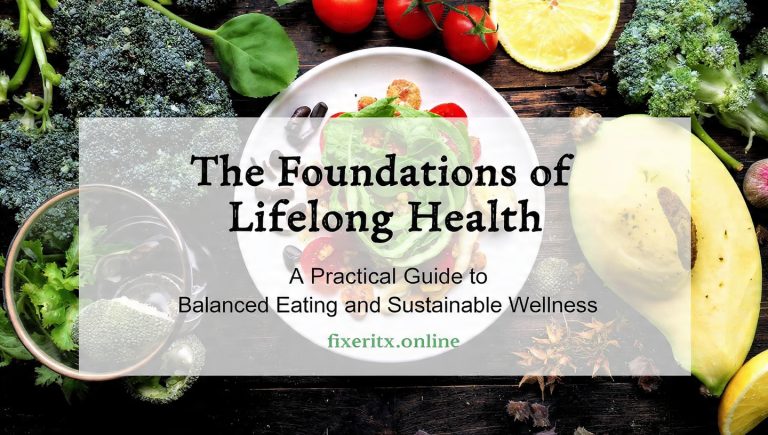
The Foundations of Lifelong Health: A Practical Guide to Balanced Eating and Sustainable Wellness
Introduction: Why Health and Diet Matter More Than Ever
In a world where fad diets dominate social media and wellness trends change by the week, it’s easy to feel overwhelmed. One day, keto is king; the next, plant‑based is the only way. But true, lasting health isn’t about following the latest craze—it’s about building a strong foundation of nutritious eating, mindful habits, and consistent self‑care.
Whether you’re a busy parent, a student, or someone simply looking to feel more energetic, understanding the relationship between health and diet is the first step toward a vibrant, disease‑free life. In this article, we’ll explore the core principles of a healthy diet, debunk common myths, and provide actionable steps you can take today.
1. What Does “Health” Really Mean?
Health is often defined as the absence of illness, but it’s so much more. The World Health Organization describes it as “a state of complete physical, mental, and social well‑being.” That means your diet doesn’t just affect your waistline—it influences your mood, your energy levels, your sleep quality, and even your relationships.
The Pillars of Good Health:
- Nutrition – What you fuel your body with.
- Physical Activity – Moving your body regularly.
- Mental Well‑being – Managing stress and emotions.
- Sleep – Restoring your body each night.
A balanced diet is the thread that weaves these pillars together. Without proper nutrition, exercise becomes harder, sleep suffers, and mental clarity fades.
2. The Core Principles of a Healthy Diet

Eat Real Food, Not Too Much, Mostly Plants
This simple mantra, popularized by author Michael Pollan, captures the essence of healthy eating. Whole foods should form the bulk of what you eat:
- Fresh vegetables and fruits
- Whole grains (oats, quinoa, brown rice)
- Lean proteins (chicken, fish, eggs, legumes)
- Healthy fats (avocados, nuts, olive oil)
Processed foods, while convenient, are often loaded with added sugars, unhealthy fats, and sodium.
Balance Your Macronutrients
Every meal should include a balance of:
- Carbohydrates – Your body’s main energy source. Choose complex carbs like oats, quinoa, and sweet potatoes.
- Proteins – Essential for repair and growth. Think eggs, fish, legumes, and tofu.
- Fats – Crucial for hormone function and brain health. Avocados, nuts, seeds, and olive oil are excellent choices.
Don’t Fear the Word “Diet”
The word diet simply means the foods you habitually eat. It’s not a temporary restriction; it’s a lifelong pattern. The healthiest “diet” is one you can sustain happily—not one that makes you miserable.
3. Common Diet Myths—Busted
Let’s clear up some widespread misconceptions that can derail your health journey:
- Myth: Carbs Are the Enemy
- Truth: Carbohydrates are not inherently bad. The issue lies in refined carbs (white bread, sugary cereals) versus complex carbs (whole grains, vegetables). Your brain and muscles need carbs to function.
- Myth: Fat Makes You Fat
- Truth: Dietary fat is essential for absorbing vitamins (A, D, E, K) and maintaining cell membranes. Excess calories from any source can lead to weight gain, but healthy fats are part of a balanced diet.
- Myth: You Must Detox or Cleanse
- Truth: Your body has its own detox system—the liver and kidneys. No juice cleanse or special tea can outperform these organs. The best “detox” is to stop putting toxins in and support your body with wholesome food.
- Myth: Eating Healthy Is Expensive
- Truth: While some health foods carry a premium, staples like beans, rice, seasonal vegetables, and eggs are budget‑friendly. Planning meals and buying in bulk can further reduce costs.
4. Practical Steps to Improve Your Diet Today

- Start with Breakfast
A balanced breakfast sets the tone for the day. Instead of sugary cereal, try oatmeal topped with berries and nuts, or scrambled eggs with spinach. - Hydrate, Hydrate, Hydrate
Water is involved in every bodily function. Aim for at least 8 cups a day, more if you’re active. Sometimes thirst masquerades as hunger—drink a glass before reaching for a snack. - Fill Half Your Plate with Veggies
At lunch and dinner, make vegetables the star. They’re packed with fiber, vitamins, and antioxidants, and they naturally crowd out less healthy options. - Practice Mindful Eating
Slow down. Put away your phone. Chew thoroughly. When you eat mindfully, you’re more likely to notice fullness cues and truly enjoy your food. - Plan Ahead
A little prep goes a long way. Chop vegetables on Sunday, cook grains in bulk, and keep healthy snacks like nuts or yogurt handy. When hunger strikes, you’ll have good choices ready.
5. The Role of Physical Activity in Health
You’ve probably heard the saying, “You can’t outrun a bad diet.” It’s true. Exercise alone won’t fix poor eating habits. But when combined with a nutritious diet, physical activity amplifies your results:
- Aerobic exercise (walking, running, cycling) strengthens your heart and lungs.
- Strength training builds muscle, which increases your resting metabolism.
- Flexibility work (yoga, stretching) reduces injury risk and improves posture.
Aim for at least 150 minutes of moderate activity per week—that’s just 30 minutes, five days a week.
6. Mental Health and Diet: The Gut‑Brain Connection
Emerging research shows a strong link between your gut and your brain—often called the “gut‑brain axis.” The bacteria in your digestive system influence mood, anxiety levels, and even cognitive function.
Foods That Support Mental Health:
- Fermented foods (yogurt, kimchi, kefir) – Boost beneficial gut bacteria.
- Omega‑3 fatty acids (salmon, walnuts, flaxseeds) – Support brain health.
- Leafy greens – Rich in folate, which helps regulate mood.
When you nourish your gut, you nourish your mind.
7. Building Habits That Last
Changing your diet overnight is rarely sustainable. Instead, focus on small, incremental shifts:
- The 1% Rule
Improve just 1% each day. Swap soda for sparkling water. Add an extra vegetable to dinner. Walk for 10 minutes after a meal. These tiny changes compound into lasting transformation. - Track Progress, Not Perfection
Don’t let one “off” meal derail you. Health is a long‑term journey. Celebrate your wins—more energy, better sleep, clearer skin—and learn from setbacks without guilt.
8. Sample One‑Day Healthy Eating Plan
Here’s a simple, realistic menu to inspire you:
- Breakfast: Greek yogurt with mixed berries and a sprinkle of chia seeds.
- Lunch: Grilled chicken salad with mixed greens, cherry tomatoes, cucumber, and a lemon‑olive oil dressing.
- Snack: An apple with a handful of almonds.
- Dinner: Baked salmon, quinoa, and roasted broccoli with garlic.
- Evening Drink: Herbal tea (chamomile or peppermint).
This plan is balanced, delicious, and easy to customize.
Conclusion: Your Health, Your Choice
Improving your health through a better diet isn’t about perfection—it’s about progress. It’s about making choices that honor your body and support your long‑term well‑being. Start where you are, use what you have, and do what you can.
Remember, every healthy meal is a step toward a stronger, more vibrant you. You don’t need a drastic overhaul. You just need to begin.